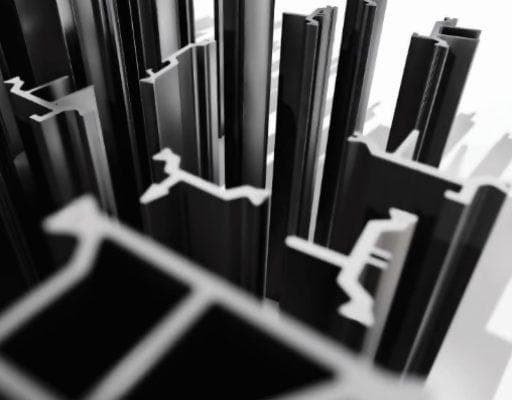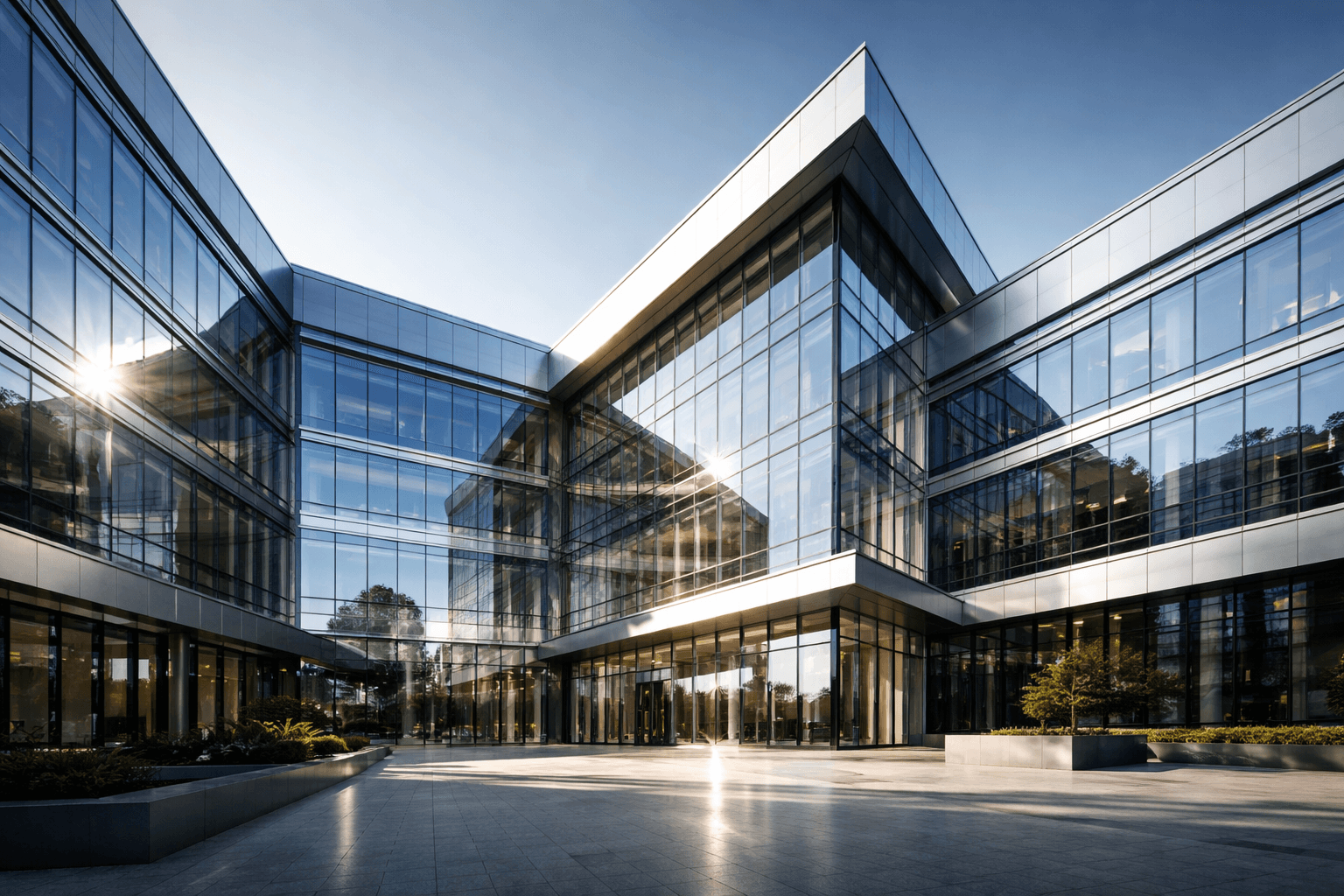
A well-designed and maintained facade should last the full life of the building — typically 40 to 60 years. Yet premature failures cost the global construction industry billions annually. Here are the five factors that matter most.
1. Material Selection & Specification
Every facade material has a performance envelope. Powder-coated aluminium will hold its colour for 20–25 years in moderate climates, but UV-intense Gulf environments demand PVDF (Kynar) coatings with proven 30-year warranties. Similarly, choosing the wrong glass interlayer can lead to delamination, and specifying standard silicone instead of a structural grade will compromise the bond over time.
2. Design Detail & Drainage
Water is the enemy of any facade. Proper sill slopes, weep holes, and compartmentalised drainage planes prevent moisture from tracking inward. Poor detailing at window-to-cladding junctions or parapet flashings is the single most common cause of early facade deterioration.
3. Quality of Installation
Even the best-specified system fails if installation is poor. Common site errors include:
- Inadequate torque on fixings, leading to rattling and fatigue cracking
- Sealant applied to dirty or damp substrates, causing adhesion failure
- Incorrect glass orientation (tinted or reflective glass installed the wrong way)
- Missing or compressed thermal break strips
A robust quality assurance programme — with third-party inspection at critical stages — is non-negotiable on any significant facade project.
4. Environmental Exposure
Coastal environments expose facades to chloride-laden sea spray that accelerates corrosion of fixings and frames. Industrial zones introduce sulphur dioxide and particulates that degrade sealants and coatings. High-altitude sites face greater UV radiation and thermal cycling.
Understanding the microclimate of your site and specifying materials accordingly is essential. For example, marine-grade stainless steel fixings (A4 / 316L) should always be used within 1 km of the coast.
5. Maintenance Regime
Even a perfectly specified and installed facade degrades without maintenance. A Facade Inspection and Maintenance Plan (FIMP) should include:
- Annual visual inspection from ground level and drone survey
- Bi-annual close-up inspection by rope-access technicians
- 5-yearly comprehensive inspection with sealant and coating assessment
- As-needed sealant replacement (typically every 15–20 years)
Neglecting maintenance doesn't just shorten facade life — it creates safety risks. Loose glass panels or corroded fixings can become projectiles in high winds.
Sunwin Facade Building Solutions offers post-handover facade maintenance contracts tailored to the specific systems we install. Reach out to our team to learn how we protect your investment for decades to come.